The CISO position is more complicated than ever before and has primarily (in fact) become the most important role in terms of an organization's information security as within the next (2026) you will see the role of a CISO developing from that of a traditional network defender to someone who is focused on risk strategy, enabling business, advising the board, and safeguarding customer trust (particularly) with the growing relevance of digital financial transactions.
Clearly, the most visible manifestation of this increased responsibility has been the area of payment security. A breach in payment security can have severe consequences like penalties from regulations and loss of money. It can also affect the reputation of a company and create dissatisfied customers who will no longer trust the company. The reality is that payments today are becoming more complicated and susceptible to being breached compared to older days. Because of the understanding that payment security is critical along with the increase to complexity and vulnerability related to payments, PCI DSS version 4.0.1 is not merely an update to compliance to regulations; rather, it is a change in how organizations need to look at security, risk, and resilience within the current payment and banking environments.
For CISOs, PCI DSS version 4.0.1 is now more than just a compliance issue for their company; it has become part of their business strategy to ensure that it is consistent with the company's mission and vision, its digital transformation plans, and the ever-changing nature of cyber security threats against their organizations.
Need PCI DSS v4.0.1 Readiness Support?
We help CISOs move beyond audits with risk-led security, continuous monitoring, and practical control evidence.
Why PCI DSS 4.0.1 Is Important Now
Banking has changed significantly in the past ten years. We now operate in a world of:
- Real-time payments
- Embedded finance
- Open banking APIs
- Cloud-native transaction systems
- AI-driven fraud detection
- Digital wallets and super apps
Although these innovations enhance the Customer Experience, they increase the Attack Surface in ways that previous versions of PCI were not necessarily designed to cover.
PCI DSS v4.0.1 acknowledges this complexity and emphasizes:
- Continuous security
- Risk-based decision-making
- Adaptive controls
- Real-world threat modeling
- Leadership accountability
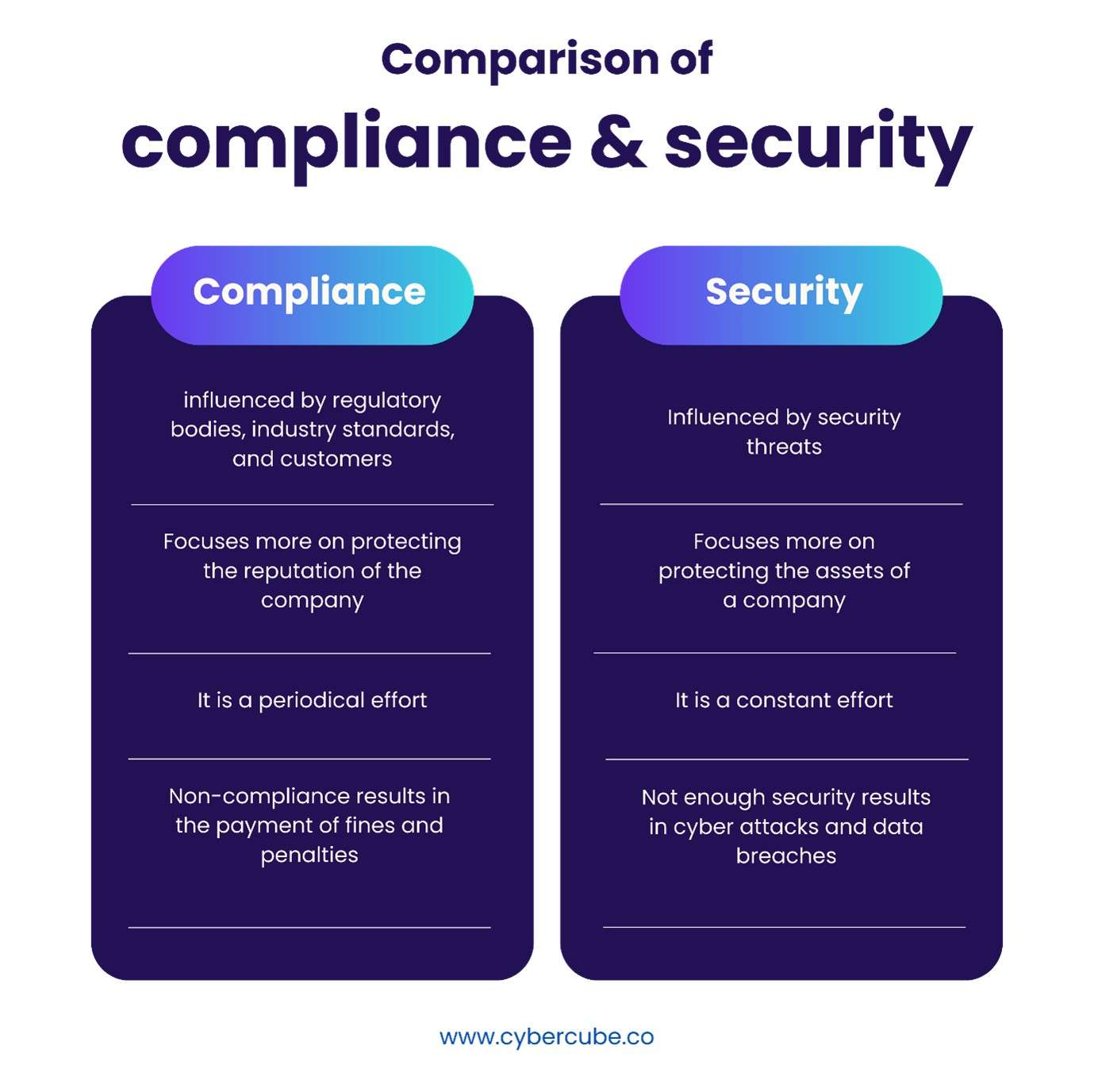
From Compliance to Cyber Resilience
Historically, many organizations treated PCI DSS as a yearly ritual:
- Prepare for the audit
- Implement controls temporarily
- Pass the assessment
- Relax security until next year
This created a dangerous illusion of security.
PCI DSS v4.0.1 challenges this mindset by pushing organizations toward sustainable security programs instead of temporary compliance postures.
This requires shifting from:
“How do we pass the audit?”
to:
“How do we prevent a breach in the first place?”
Key Changes in PCI DSS v4.0.1 Every CISO Must Understand
1. Greater Focus on Risk-Based Controls
Unlike earlier versions that were largely checklist-driven, v4.0.1 gives organizations flexibility—but with greater responsibility.
CISOs must now:
- Justify security decisions based on risk
- Demonstrate how controls mitigate real threats
- Provide evidence of continuous security management
2. Stronger Emphasis on Cloud Security
Modern banking and fintech operations rely heavily on cloud infrastructure. PCI DSS v4.0.1 places greater scrutiny on:
- Cloud configuration management
- Identity and access control
- Data encryption and key management
- Shared responsibility models
This requires tighter collaboration between CISOs, cloud security teams, DevSecOps, and third-party vendors.
3. Leadership Accountability
One of the biggest shifts in v4.0.1 is that PCI security is clearly a governance issue, not just an operational one.
CISOs are expected to:
- Communicate PCI risks to the board
- Align security investments with business strategy
- Ensure cross-departmental cooperation
- Embed security into digital transformation initiatives
Move From “Audit Mode” to Continuous Security
PCI v4.0.1 rewards security programs that reduce real risk—not temporary compliance.
The Complexity of Modern Payment Ecosystems
Today’s payment environments are no longer confined to a single network. They involve:
- Banks
- Payment processors
- Fintech partners
- Cloud providers
- Third-party vendors
- API integrations
- Mobile applications
Each component introduces potential risk. Even if an organization is technically PCI compliant, a weak link—such as a compromised vendor or misconfigured cloud storage—can still lead to a breach.
PCI DSS v4.0.1 pushes organizations toward a holistic security model rather than isolated compliance silos.
Where Traditional Approaches Fall Short
Many organizations struggle because they rely on outdated compliance strategies such as:
- Manual, documentation-heavy audits
- Periodic scans instead of continuous monitoring
- Minimal security investment beyond requirements
- Reactive incident response
These may satisfy auditors, but they do little to protect against real threats. This creates a dangerous gap between compliance and actual security that attackers actively exploit.
A Security-First Approach to PCI in 2026
The most effective CISOs in 2026 are those who treat PCI DSS not as a burden, but as a foundation for stronger security.
Embedding Security into Business Strategy
Security should enable innovation, not slow it down.
CISOs must work closely with:
- Product teams
- Engineering leaders
- Risk officers
- Compliance teams
- Business executives
to ensure security is built into every new digital initiative.
Adopting Continuous Monitoring
Instead of annual audits, organizations should implement real-time monitoring across:
- Networks
- Applications
- Cloud environments
- Payment systems
- Third-party integrations
This allows risks to be detected and mitigated before they become breaches.
Strengthening Vendor Risk Management
Since many breaches originate from third parties, CISOs must enforce:
- Strong vendor security assessments
- Strict data access policies
- Contractual security requirements
- Continuous vendor monitoring
PCI DSS v4.0.1 makes it clear: you are responsible for your vendors’ security too.
Our Role in the New PCI Era
Navigating PCI DSS v4.0.1 in 2026 requires more than compliance expertise—it requires a security-first mindset.
We support CISOs and security leaders by helping organizations:
- Assess real-world cyber risk beyond compliance
- Identify hidden vulnerabilities in payment ecosystems
- Strengthen cloud and application security
- Build continuous security programs
- Align PCI requirements with broader cybersecurity strategy
Rather than treating PCI as a mere exercise, we enable organizations to move from compliance to confidence.
For CISOs, CyberCube acts as both a risk intelligence layer and a strategic security partner—helping them make data-driven decisions that reduce risk and strengthen resilience.
The Future of Secure Banking
As digital banking evolves, so will cyber threats. We are already seeing:
- AI-powered attacks
- Advanced phishing and deepfake scams
- Ransomware targeting financial institutions
- Exploitation of API vulnerabilities
- Large-scale supply chain breaches
In this environment, PCI DSS v4.0.1 is not the end, but the foundation.
The CISOs who will succeed are those who:
- Think beyond compliance
- Prioritize proactive security
- Invest in continuous risk management
- Build a culture of security across the organization
From Compliance to Leadership
PCI DSS v4.0.1 is more than a regulatory update. It challenges CISOs to:
- Lead with security, not just compliance
- Think strategically, not just technically
- Protect not just data, but trust
In the new era of secure banking, cybersecurity is the backbone of digital trust.
With the right risk intelligence and security strategy, CISOs can confidently navigate this complex landscape—because in modern banking, security is not only about protecting transactions; it is about safeguarding the entire digital economy.
Frequently Asked Questions
1) What is PCI DSS Version 4.0.1?
PCI DSS Version 4.0.1 is the newest version of the PCI Data Security Standard (DSS). This standard was developed to improve the security of payment systems by implementing more effective controls for managing risks, utilizing cloud security & continuous monitoring instead of relying solely on periodic compliance audits to verify compliance with established security standards.
2) How will this version differ from previous versions?
This version has transitioned to using a security-based approach that provides greater importance to: providing access to "real-time" risk assessment; encouraging higher levels of accountability from executive management; managing vendor risk; and enhancing the use of cloud technologies for managing payment transactions.
3) Why are banks and fintech companies concerned about PCI DSS v4.0.1?
PCI DSS v4.0.1 will help companies better protect cardholder data and reduce the risk of a breach. it will also help companies strengthen the security of digital payments and maintain customer confidence as they operate in an increasingly complex financial environment.
4) How does CyberCube assist with PCI DSS v4.0.1?
We help companies move beyond compliance by identifying actual cyber risks, strengthening security of their cloud and applications, and enabling continuous, security-focused programs that align with PCI DSS v4.0.1.
Move Beyond PCI Compliance to Real Resilience
Get a PCI DSS v4.0.1-aligned security roadmap across cloud, applications, vendor risk, and continuous monitoring—built for modern banking environments.
Talk to CyberCube